Linen Yarns: Cool, Natural, Durable
Linen is the fiber of summer. Derived from the flax plant (Linum usitatissimum), linen is naturally cooler than Cotton – it absorbs less heat and dissipates it faster. On the skin, linen initially feels firm and textured but becomes softer with each wash without losing its structure. Linen pieces improve over the years – a quality that industrial textile fibers lack.
How Is Linen Yarn Made?
Linen comes from the bast of the flax plant – the long fiber bundles inside the stem. The plant is harvested, retted (to loosen the fibers), combed, and spun. The result is a fiber that is naturally smooth and not very elastic. Linen can absorb up to 20% of its moisture without feeling wet – which is why it feels so comfortable on warm days.
Linen yarns can be made from short or long flax. Long-fiber linen (Wet Spun) is smoother, shinier, and stronger – often used in professional textiles. Short-fiber linen (Dry Spun) has a somewhat rustic character, with more natural texture. In knitting, you often find dry-spun yarns or blends that combine linen with Cotton or other fibers.
BC Garn Lino – Pure Linen Yarn for Knitting
Pure linen yarn can feel a bit inelastic when knitting and requires a steady hand – the stitches sit exactly as you knit them, without the automatic balancing of wool yarns. But the result impresses with clarity and character.
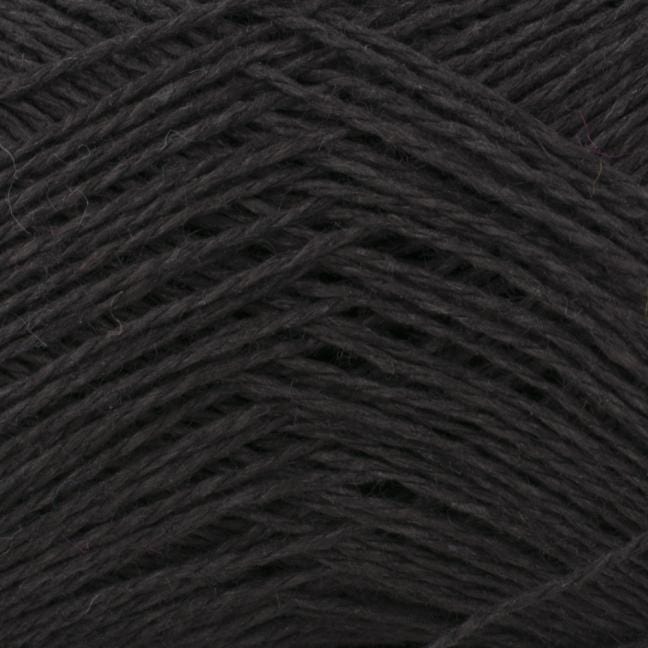
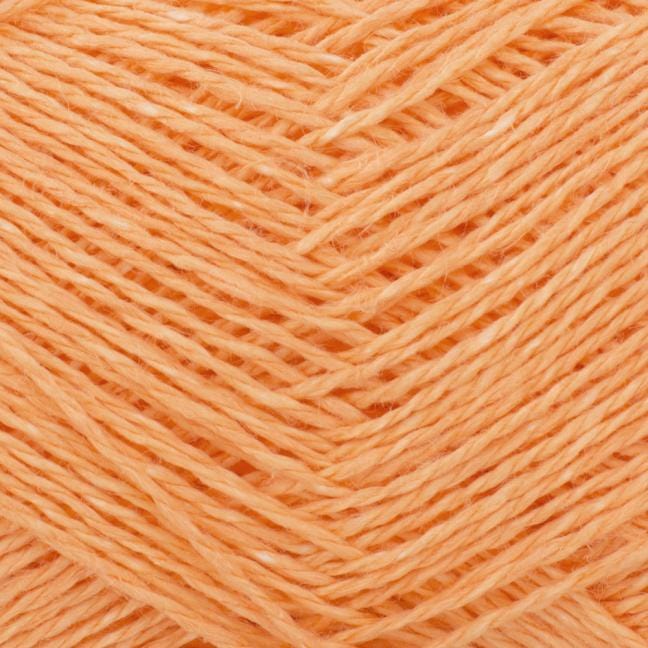
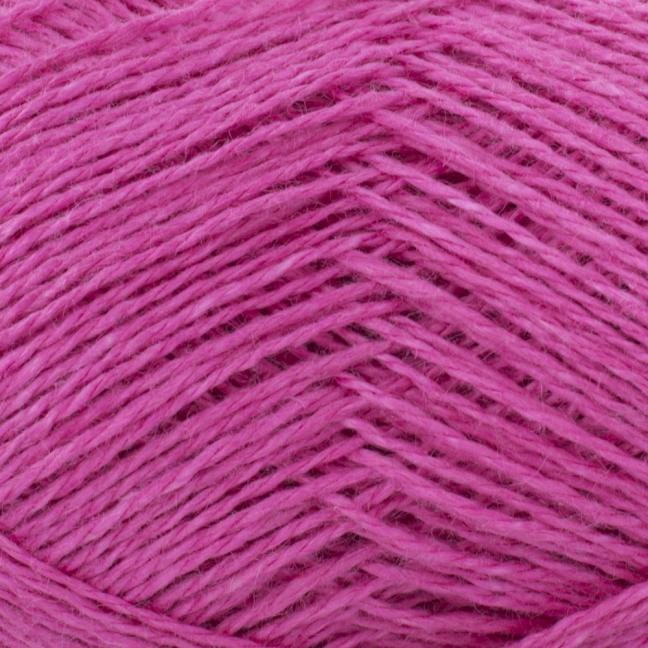
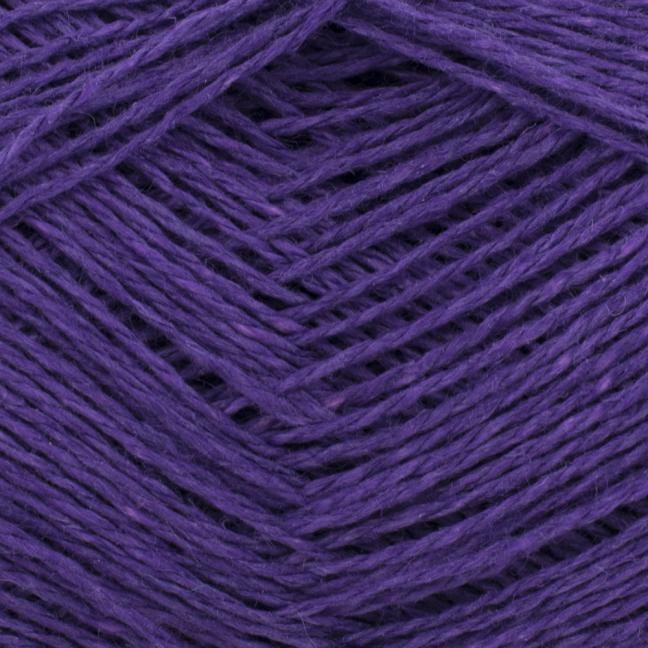
The best example in the Assortment: BC Garn Lino (100% Linen, approx. 270m/50g). Pure linen yarn ideal for summer tops, lightweight blouses, Bags, and Shawls. Linen provides cooling, Shape Retention, and the characteristic natural matte look. The yarn develops more Softness with each wash and creates pieces with the typical natural character of genuine linen. More in the BC Garn Brand Guide.
What Projects Are Suitable for Linen?
Linen is excellent for summer blouses, tops, lightweight scarves, and – thanks to Shape Retention – Bags and mats. Pieces made from linen blends hold their shape well, even when heavier (e.g., filled as a Bag). The natural strength makes linen one of the most durable knitting yarns overall.
What linen is not good at: textured patterns with lots of relief work. Cables and Aran patterns appear less pronounced in linen than in elastic wool. For smooth, texture-focused designs, stockinette pieces, and simple lace patterns, linen is wonderful.
Care for Linen Yarns
Linen yarns and linen blends are generally machine washable – linen even improves with washing, not worsens. Genuine linen is also boil-proof, although this is rarely relevant for knitting. Drying should be flat or hanging – not in the dryer, as linen can shrink with heat. Ironing on medium to high heat makes linen pieces especially smooth and shiny.
Shipping from Munich, free within Germany for orders over €100.