

Silk Yarns: Sheen, Drape, and That Special Feel
Silk is one of the oldest textile fibers in the world – and one of the most fascinating. It is stronger than steel (at the same weight), has a natural sheen that makes every knitted piece look elegant, and drapes around the body instead of standing stiff. Yarns with silk have a completely different quality in the hand than pure wool yarns: cooler, smoother, heavier – and clearly more elegant in the finished piece.
How Is Silk Obtained?
Natural silk is obtained from the cocoon shells of the silkworm (Bombyx mori). The fiber is a continuous filament thread up to 1,500 meters long – the longest natural single fiber that exists. This length is the reason for silk’s sheen: long, smooth fibers reflect light evenly and directly. In wool yarns, whose fibers are much shorter and overlap, this effect does not occur in the same way.
Bourette Silk (also called Schappe Silk or Noil Silk) is a byproduct of the silk industry: the shorter fibers and leftovers that remain when unwinding the cocoon. It is carded and spun like wool and has a slightly irregular, somewhat rougher texture. The result is a matte shimmer instead of the classic high gloss – more sustainable, accessible, and with its own character.
Silk Blends – The Best of Both Worlds
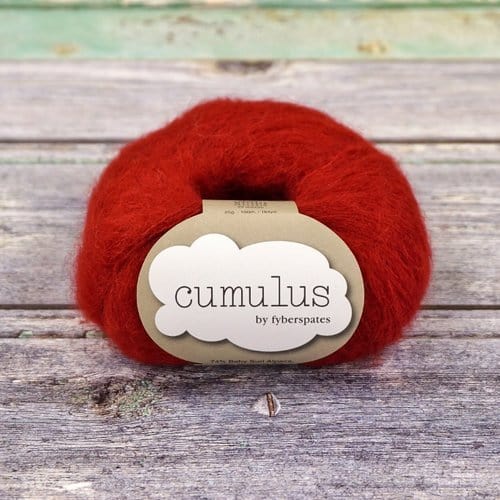
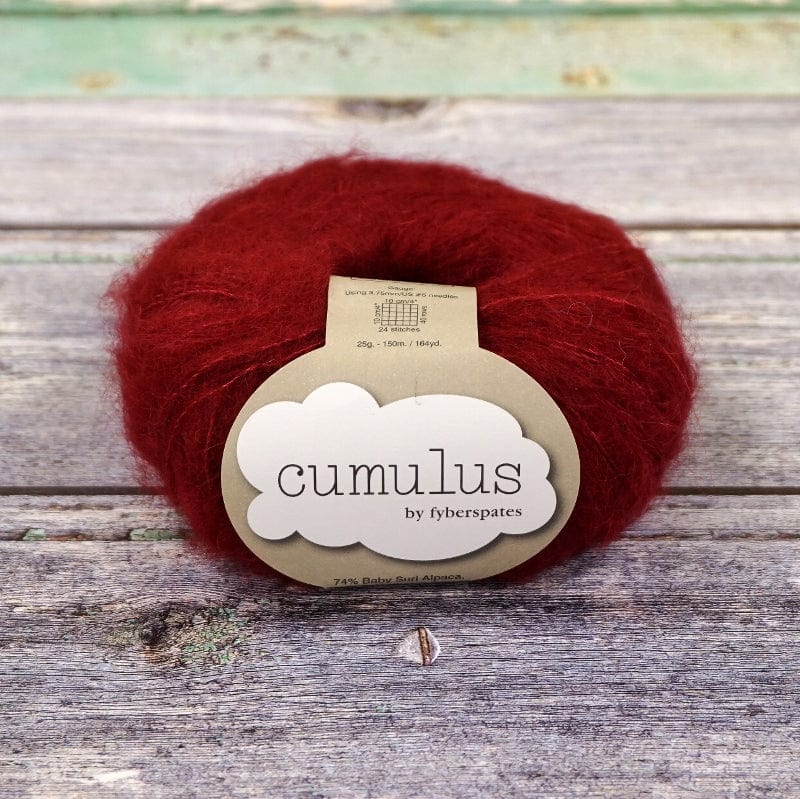
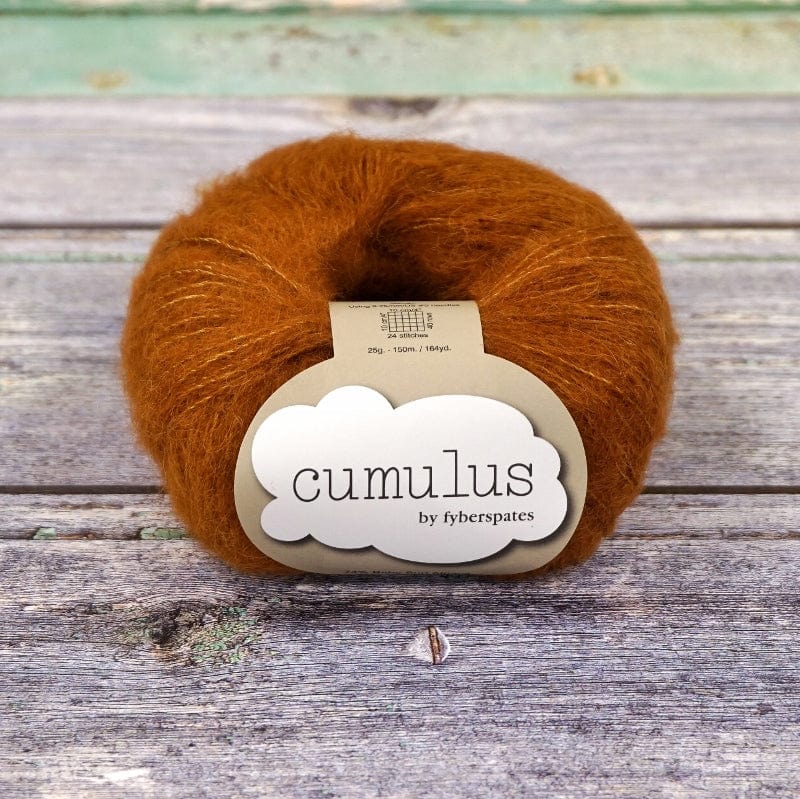
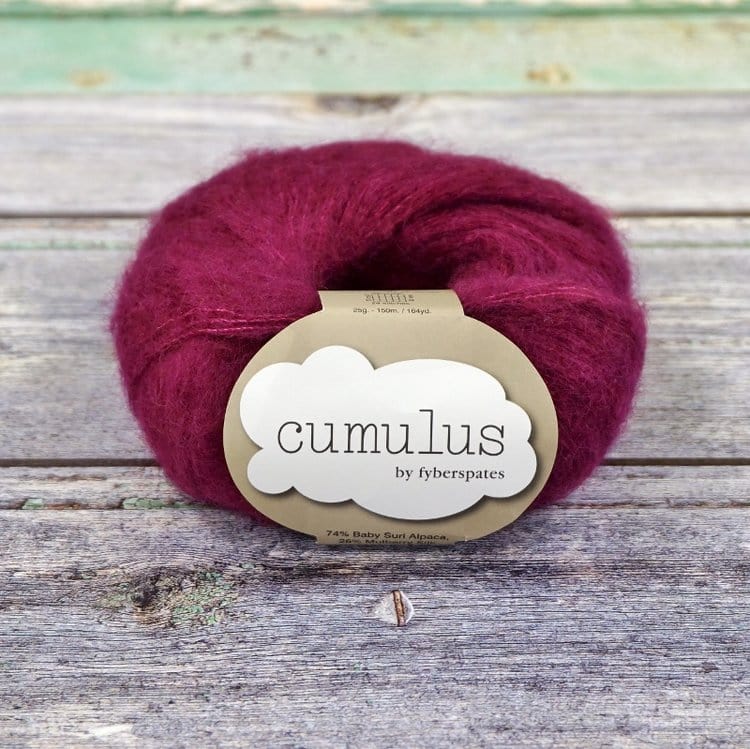
Silk is rarely used pure in knitting. The most common use: as a blend with Merino Wool to combine softness and sheen. Yarns like Manos del Uruguay Fino (70% Merino, 30% Silk) or Fyberspates Cumulus (75% Merino, 20% Silk, 5% Nylon) show what is possible: the warmth and resilience of wool, the sheen and drape of silk, and in some cases the Nylon for extra durability.
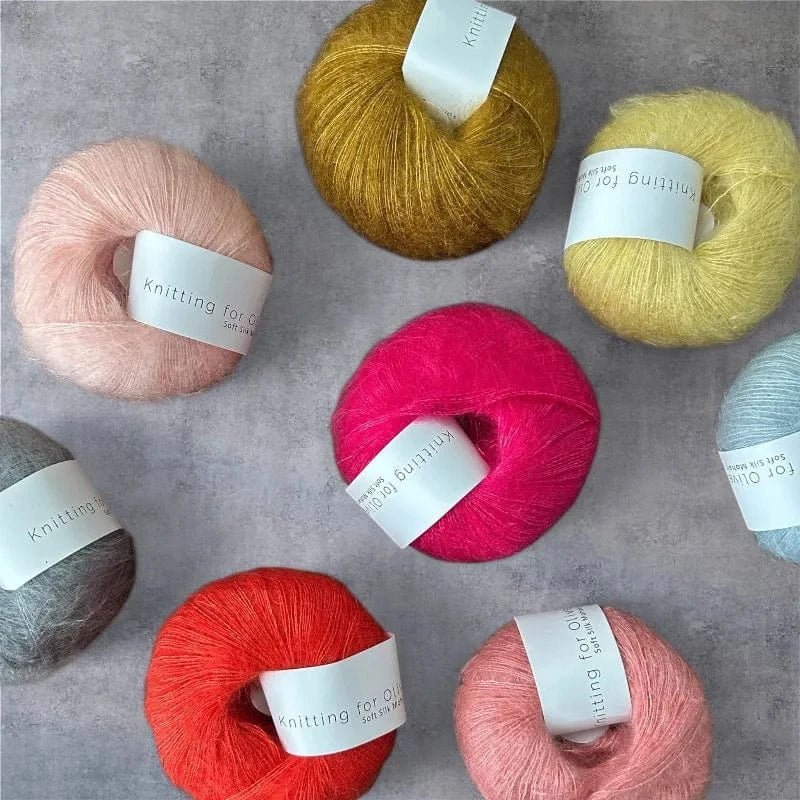
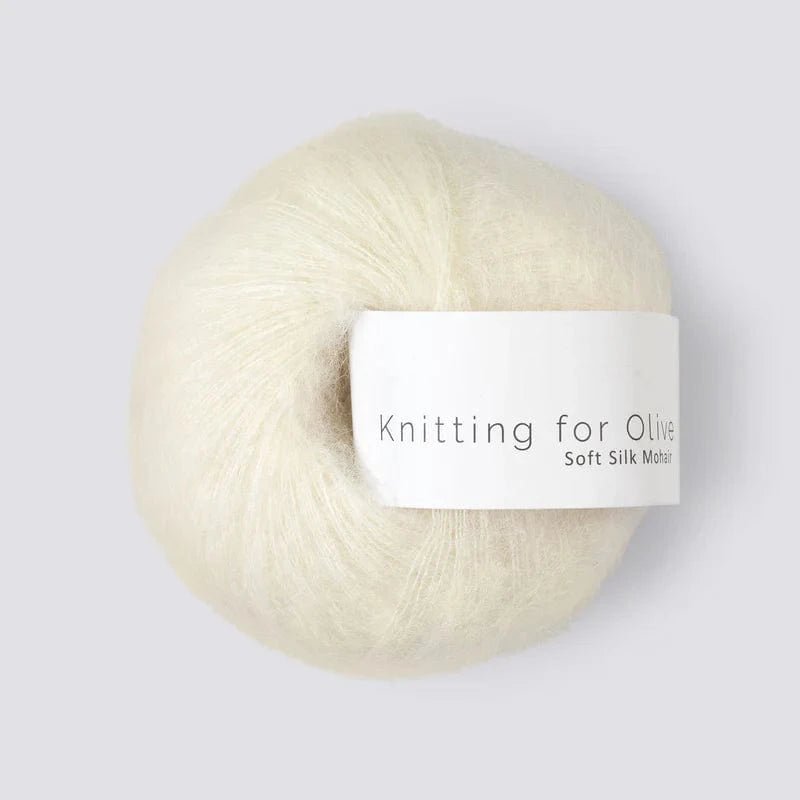
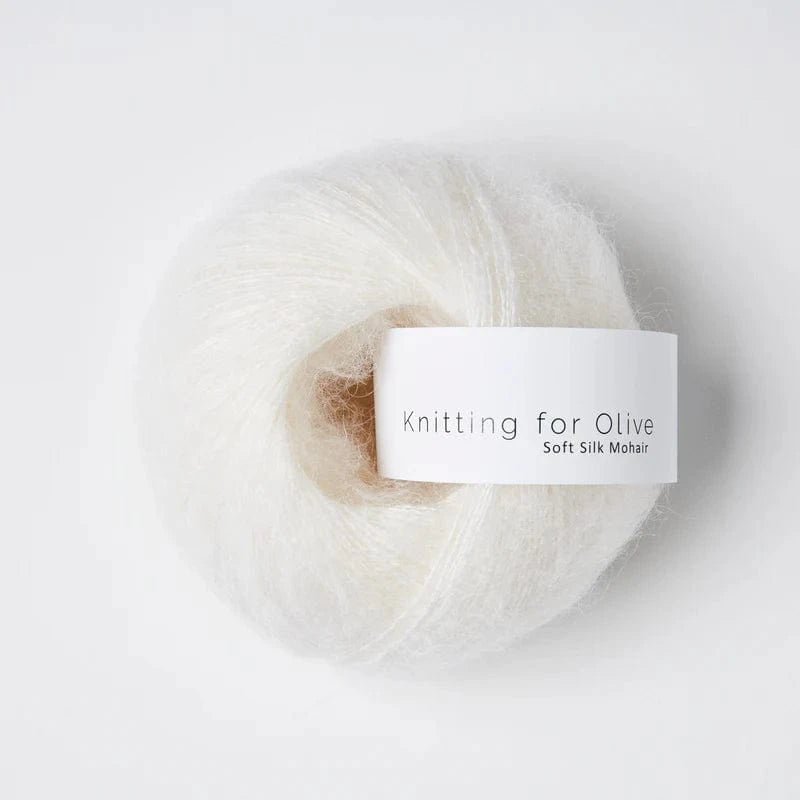
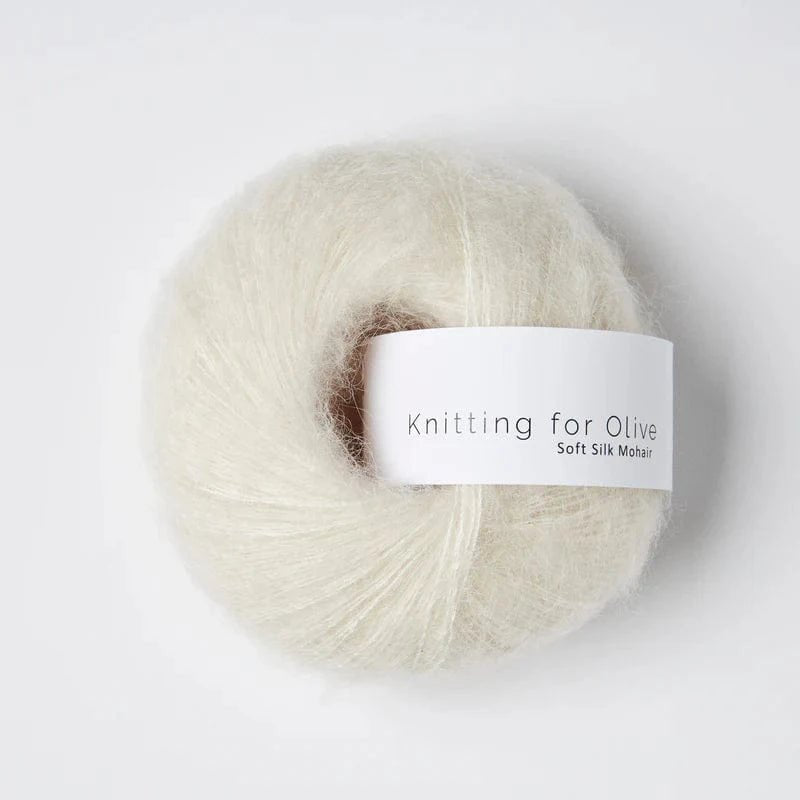
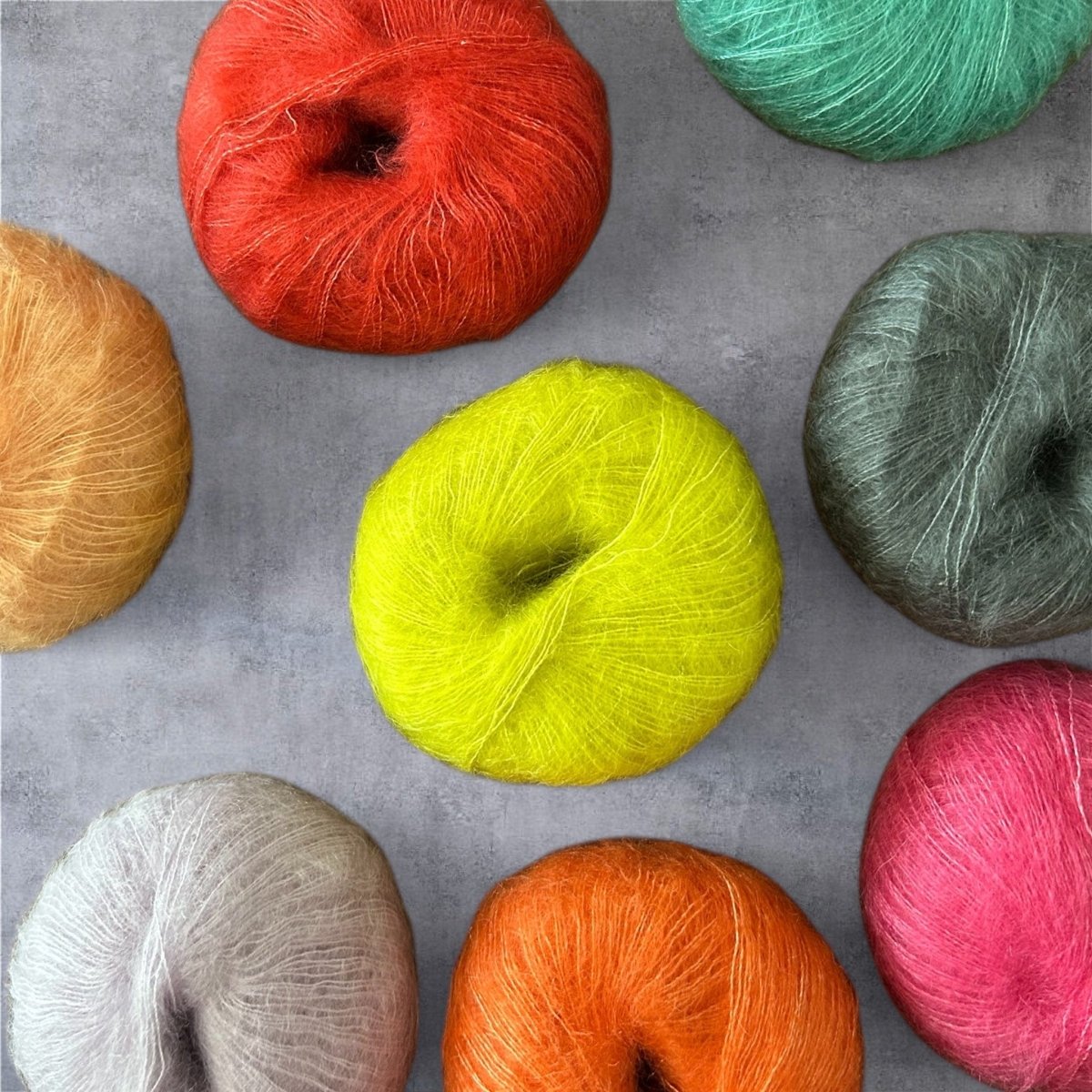
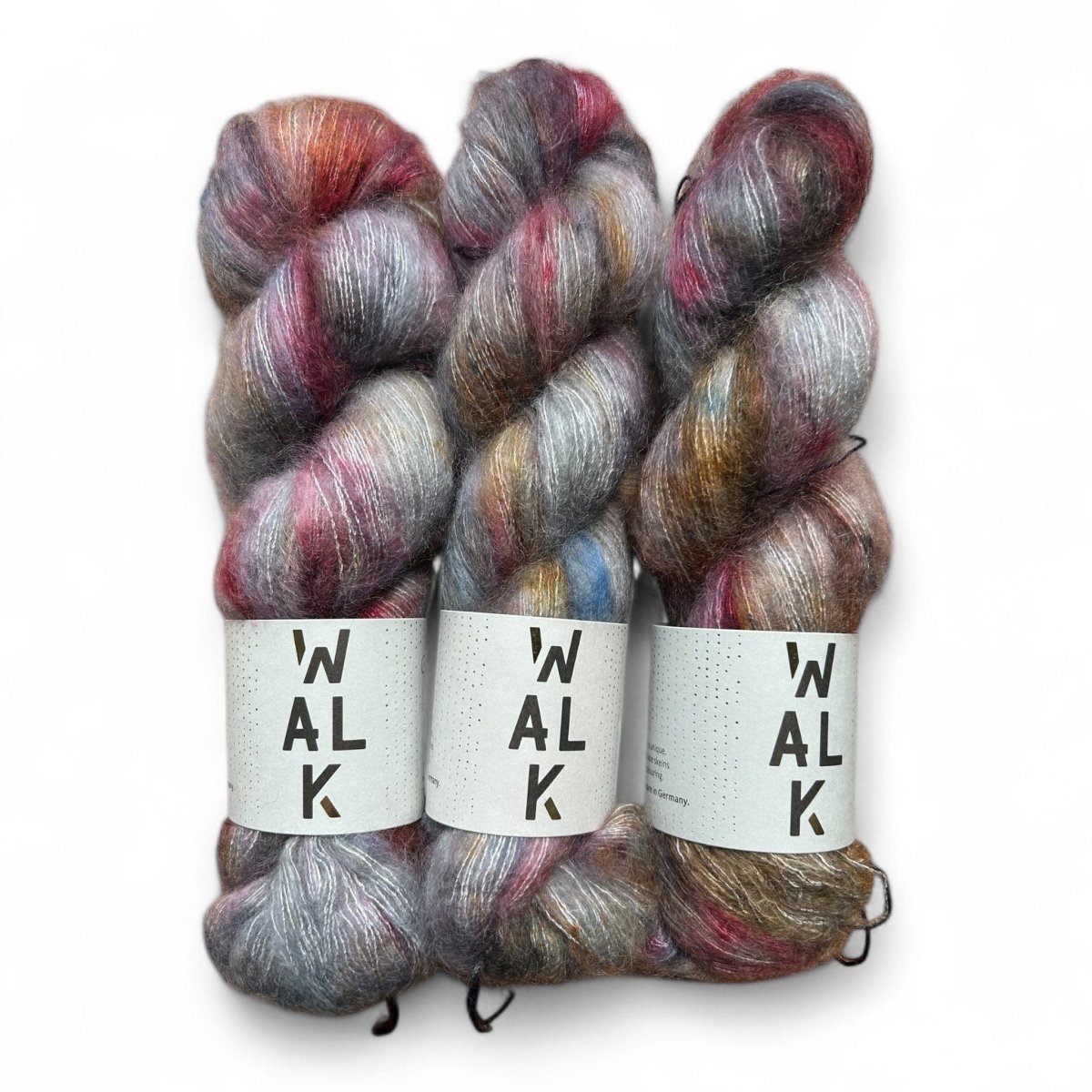
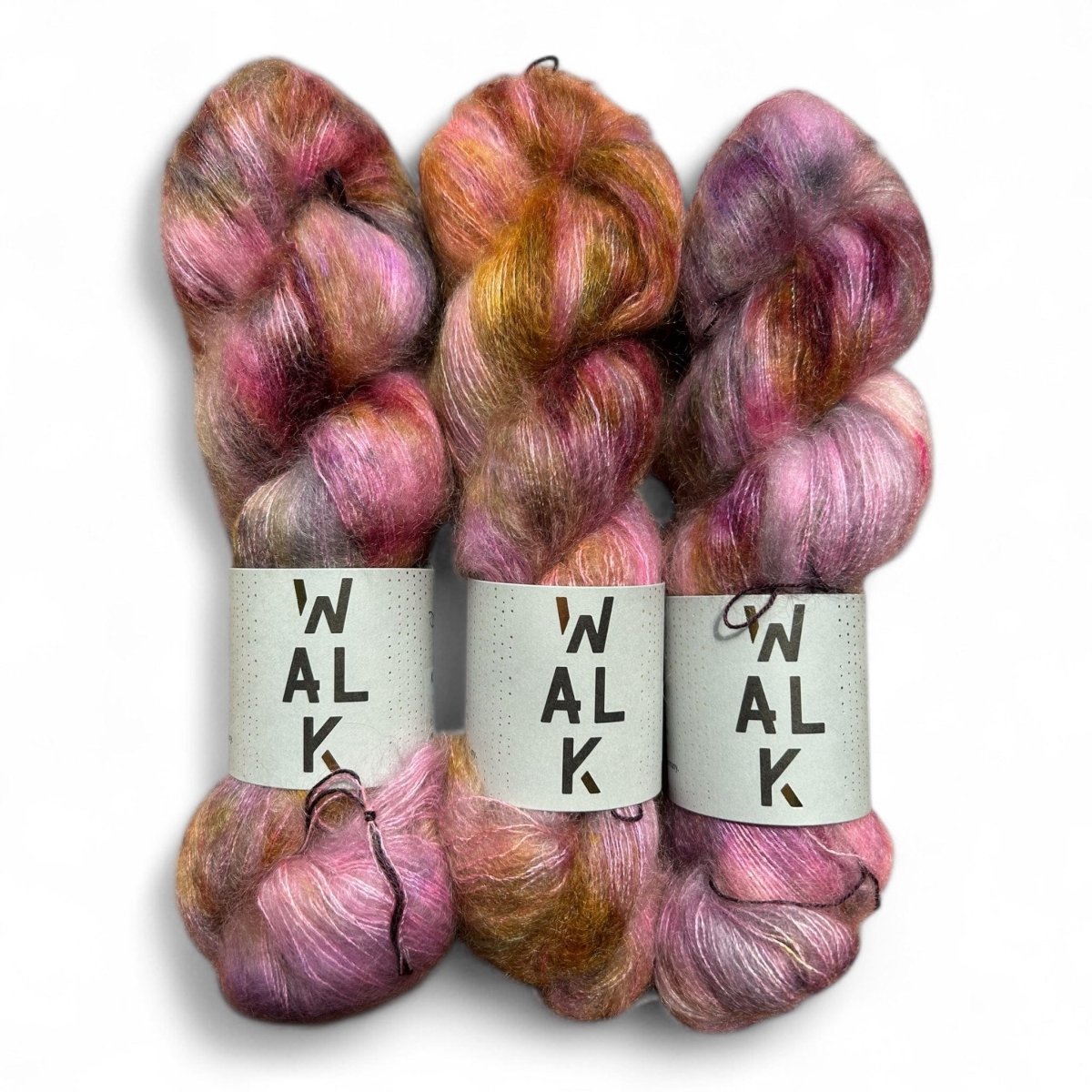
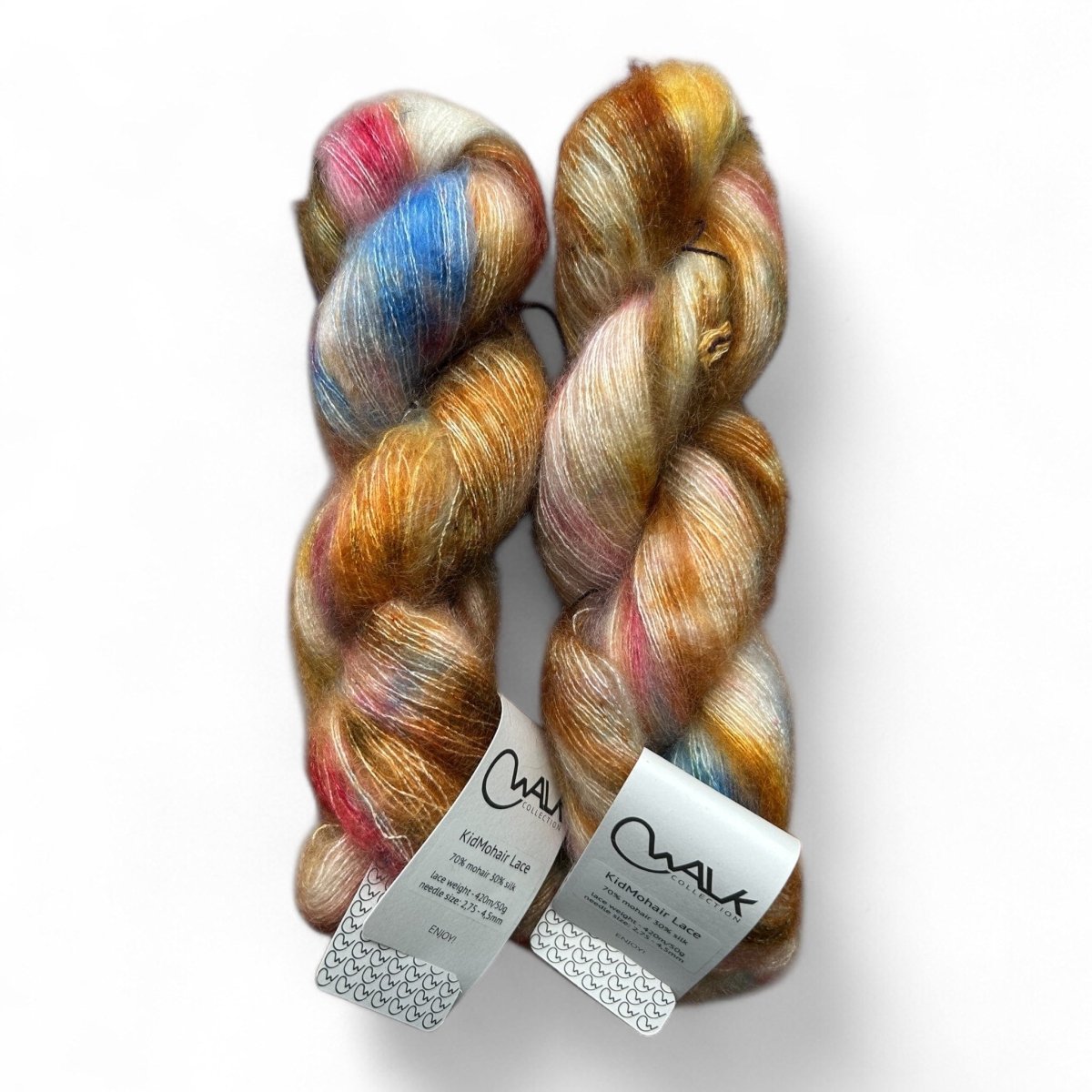
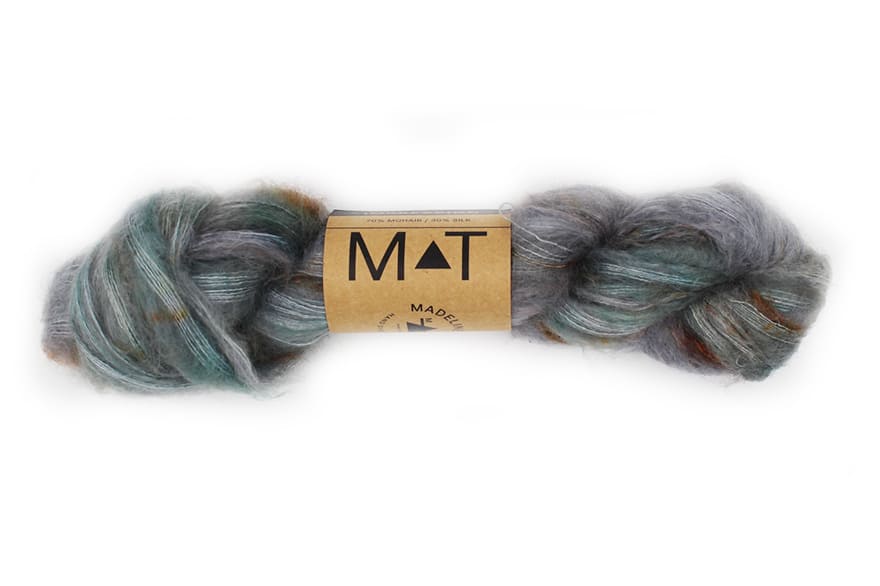
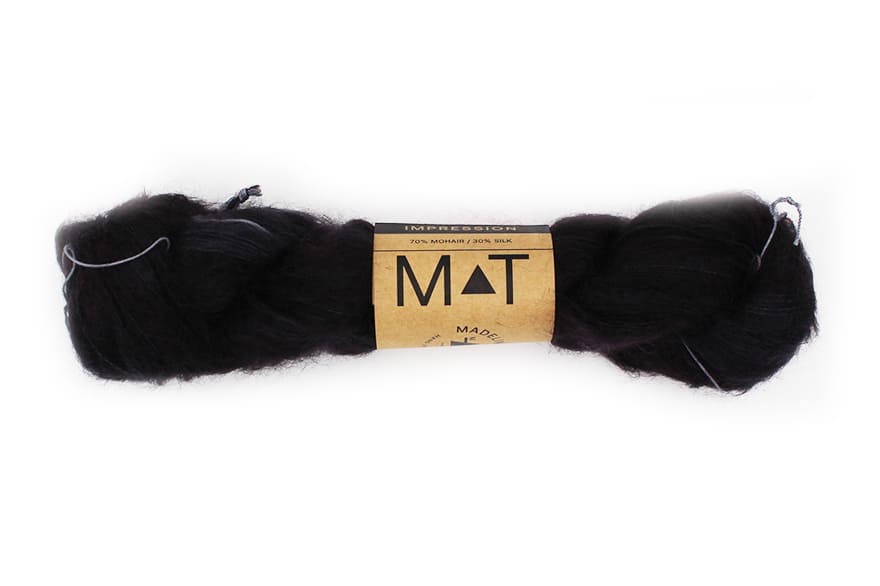
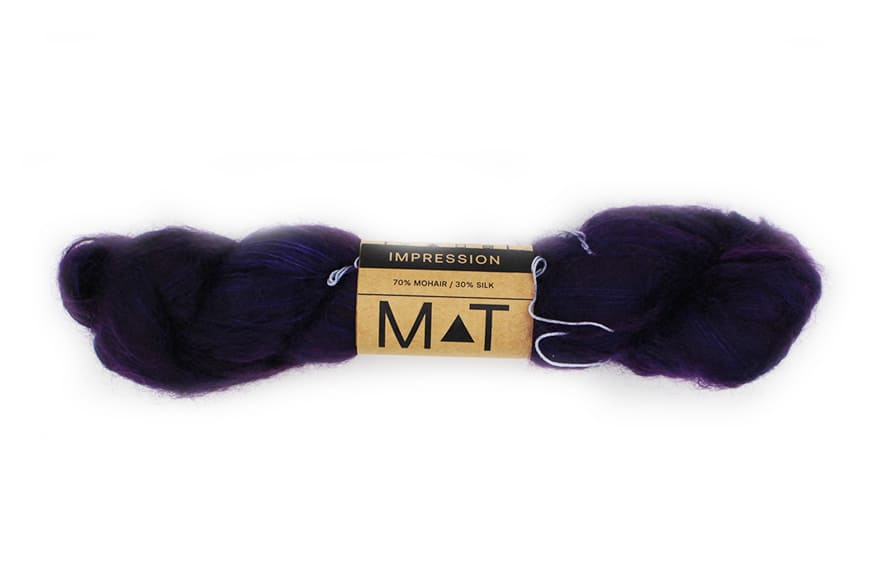
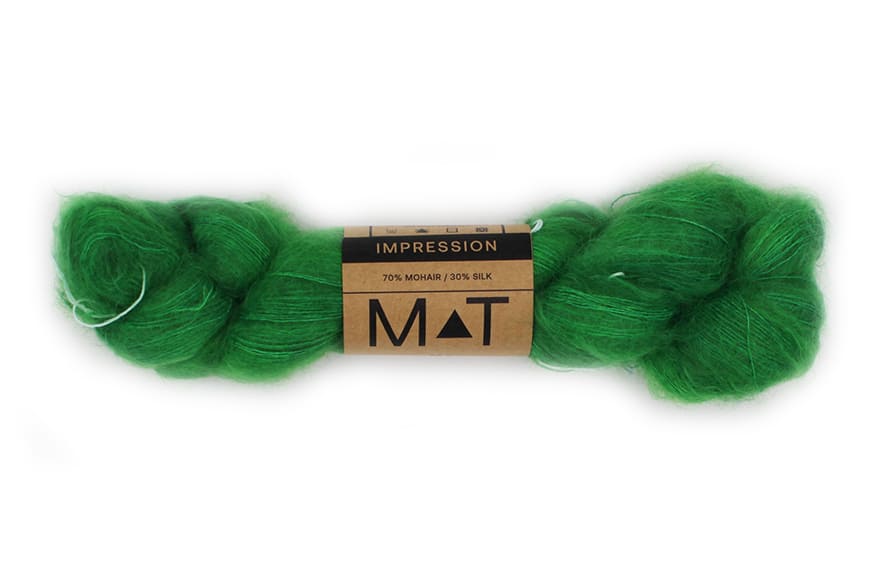
Mohair lace yarns often contain silk as well: Knitting for Olive Soft Silk Mohair (70% Superkid Mohair, 30% Silk) or Holst Garn Kid Seta (70% Kid Mohair, 30% Silk) are examples. Here, the silk ensures the yarn winds nicely and develops a particularly fine halo – without becoming dull.
What Projects Are Silk Yarns Suitable For?
Silk blends are excellent for scarves, shawls, and stoles that should fall elegantly. A shawl made from a Merino-Silk blend has a quality you can feel immediately: it falls softer, shines subtly, and hangs more beautifully than a pure wool shawl. For socks, silk blends offer a natural sheen and a special feel – but they are less robust than Merino-Nylon yarns and less suitable for heavily worn everyday socks.
Silk yarns are also popular for baby clothes (because of their softness) and for special individual pieces that should last a long time – silk is one of the most durable natural fibers.
Care for Silk Yarns
Silk yarns are sensitive to heat, friction, and strong detergents. Hand Wash in lukewarm water with mild Wool Wash is the safest option. Do not wring, do not tumble dry, and never dry in direct sunlight – silk loses sheen and strength over time through intense UV exposure. Dry flat on a towel.
Our Silk Yarns at BONIFAKTUR
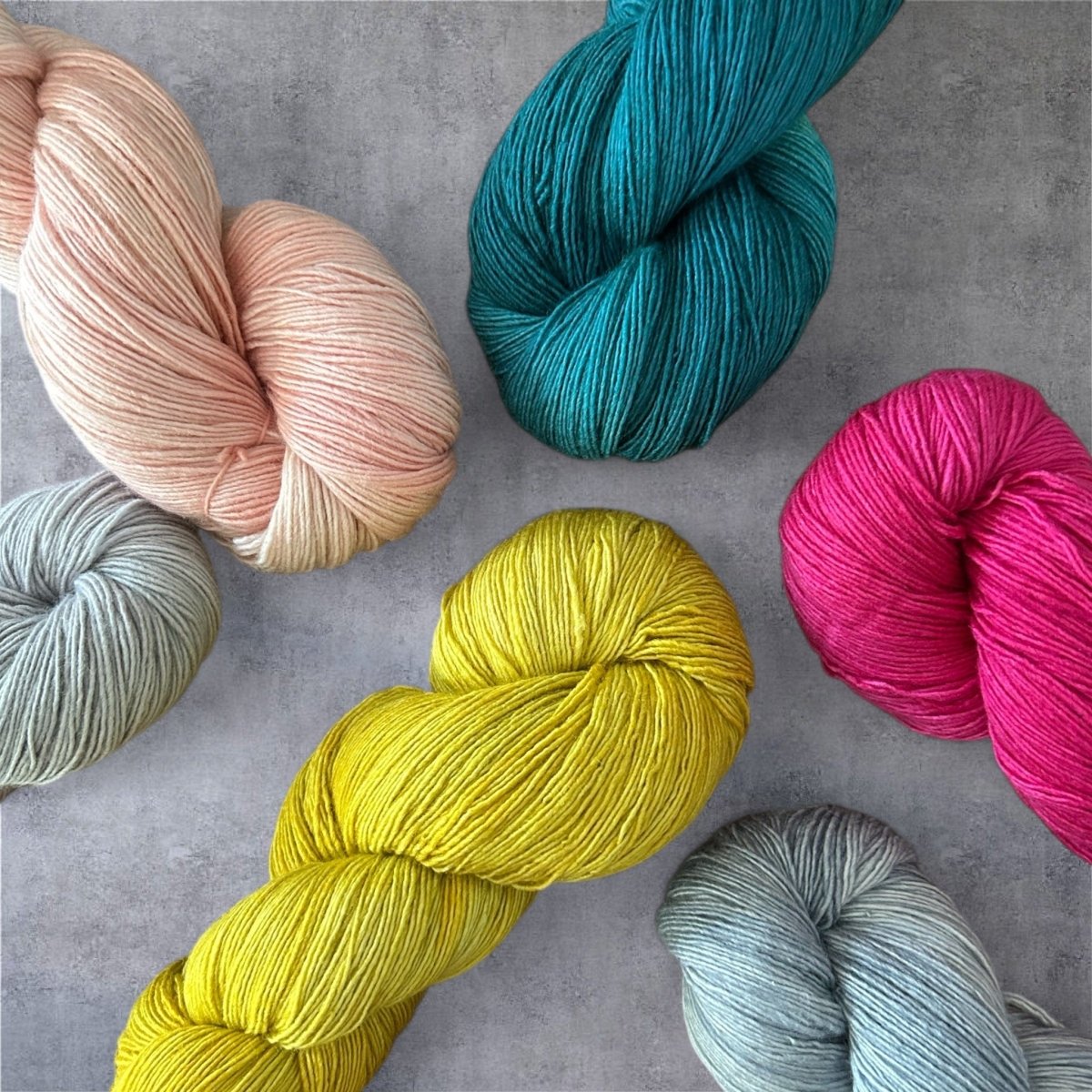
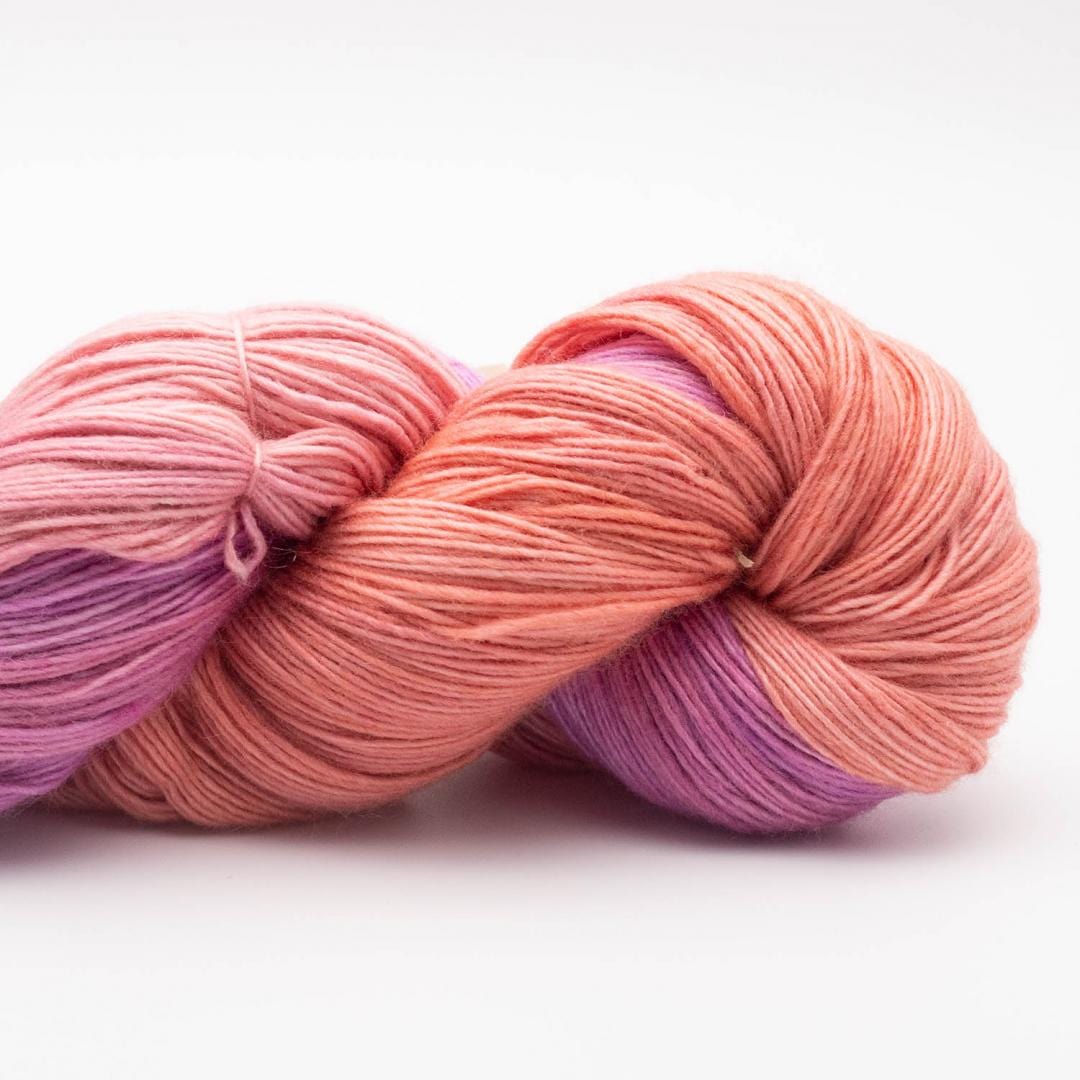
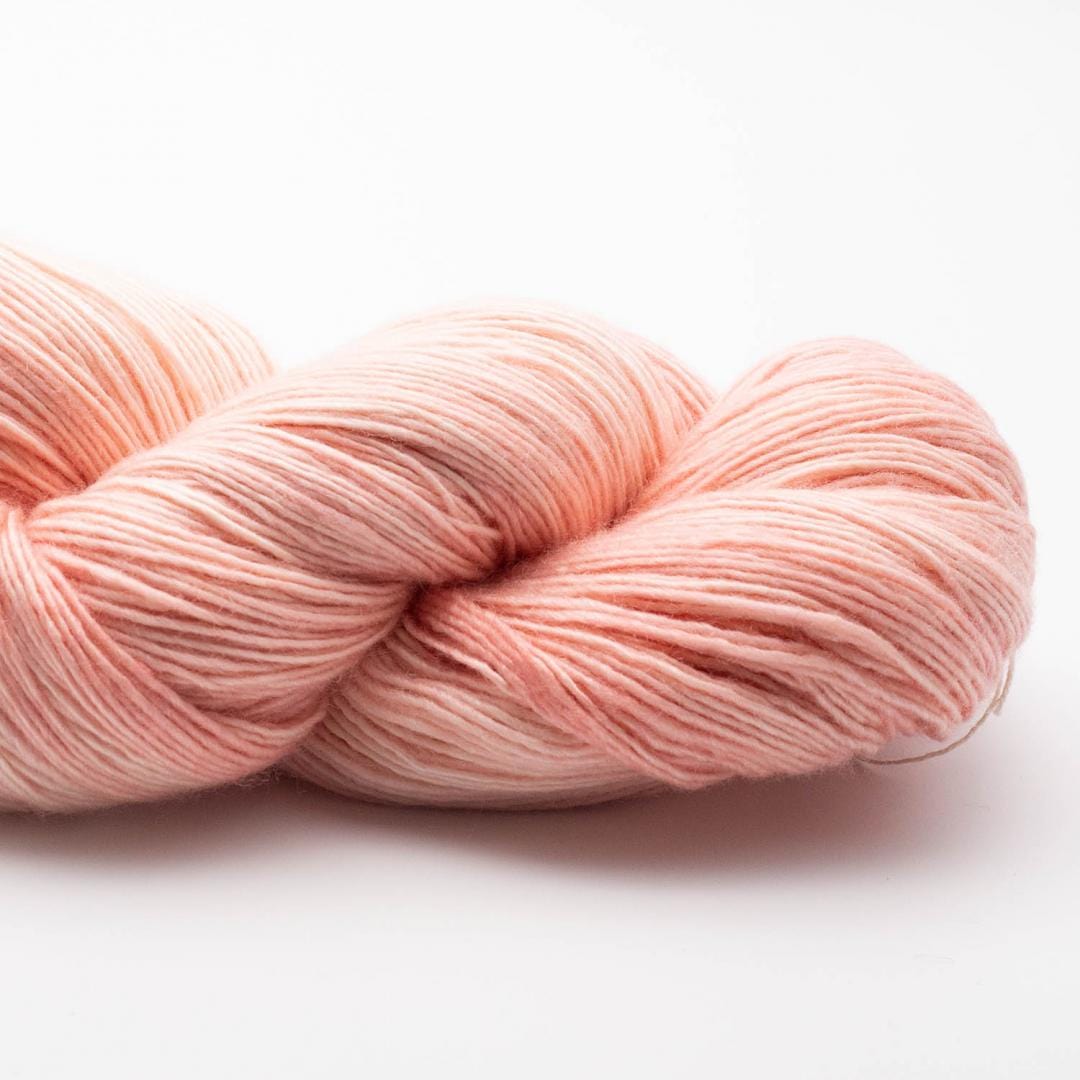
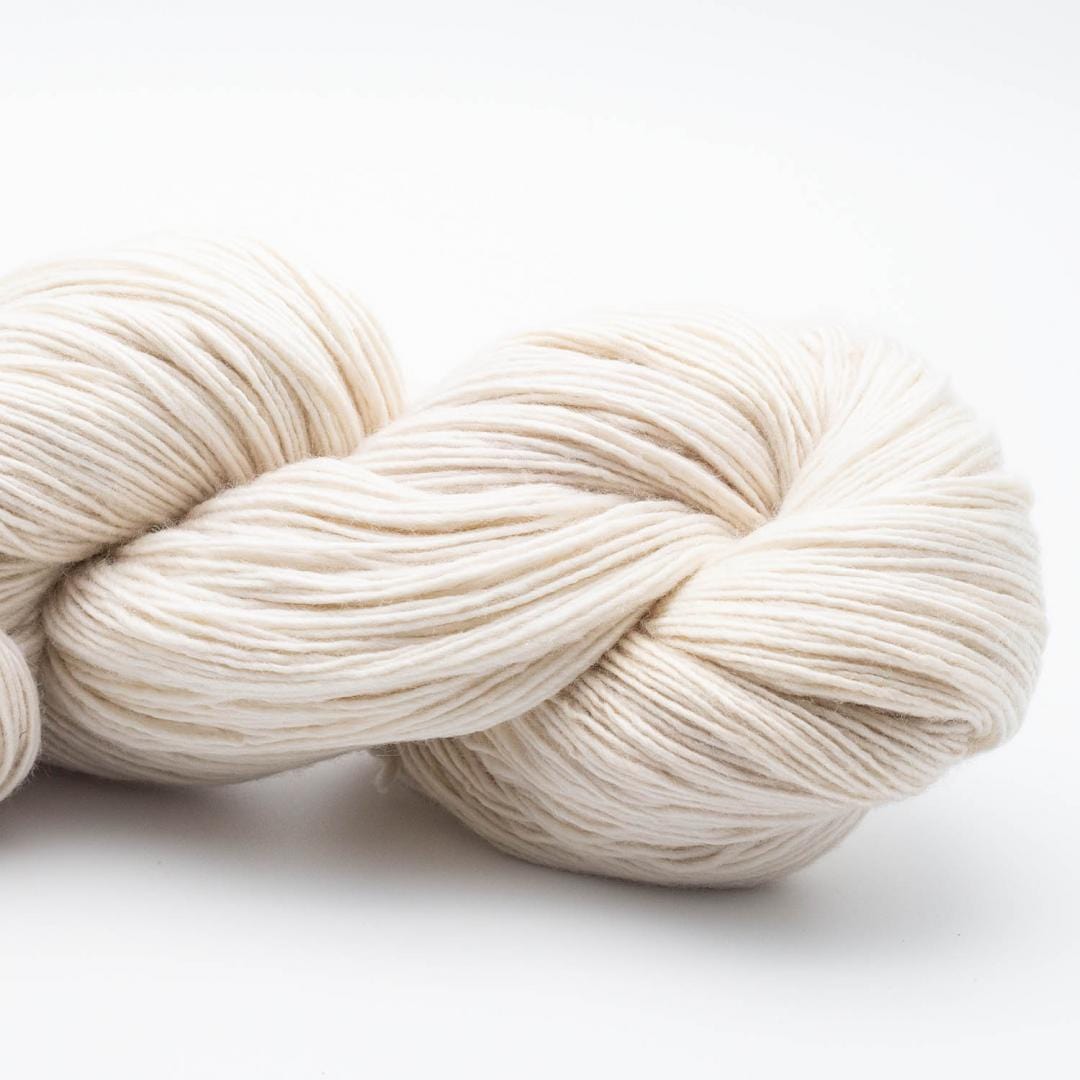
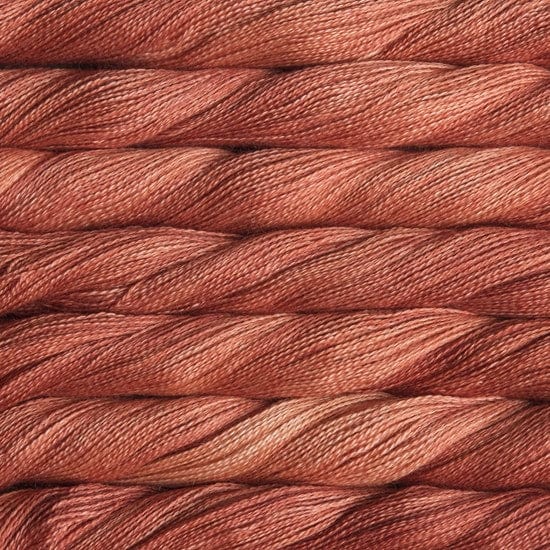
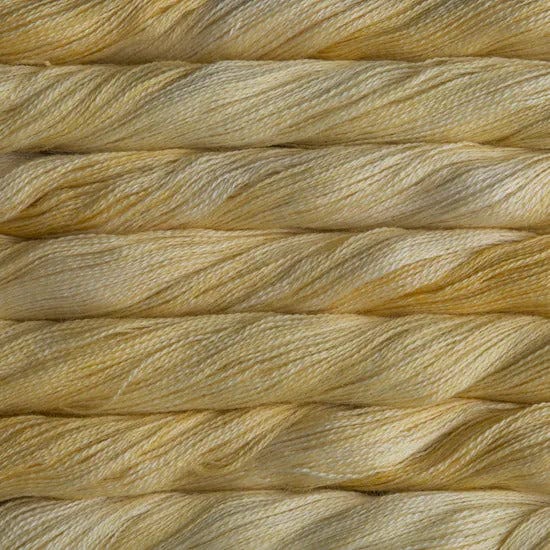
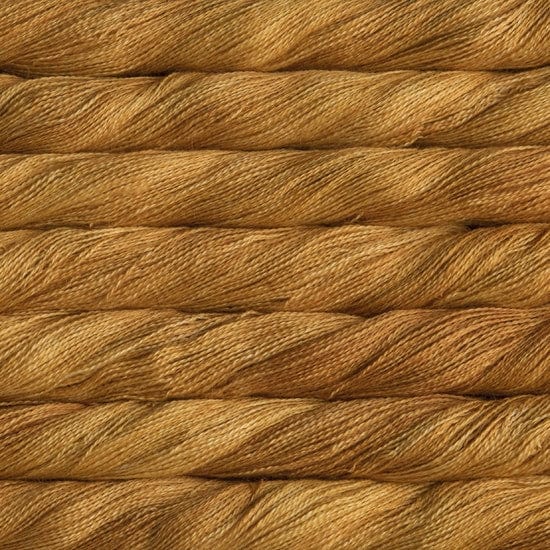
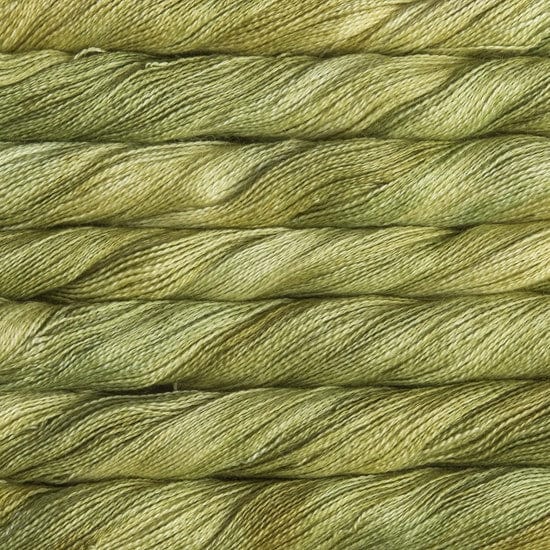
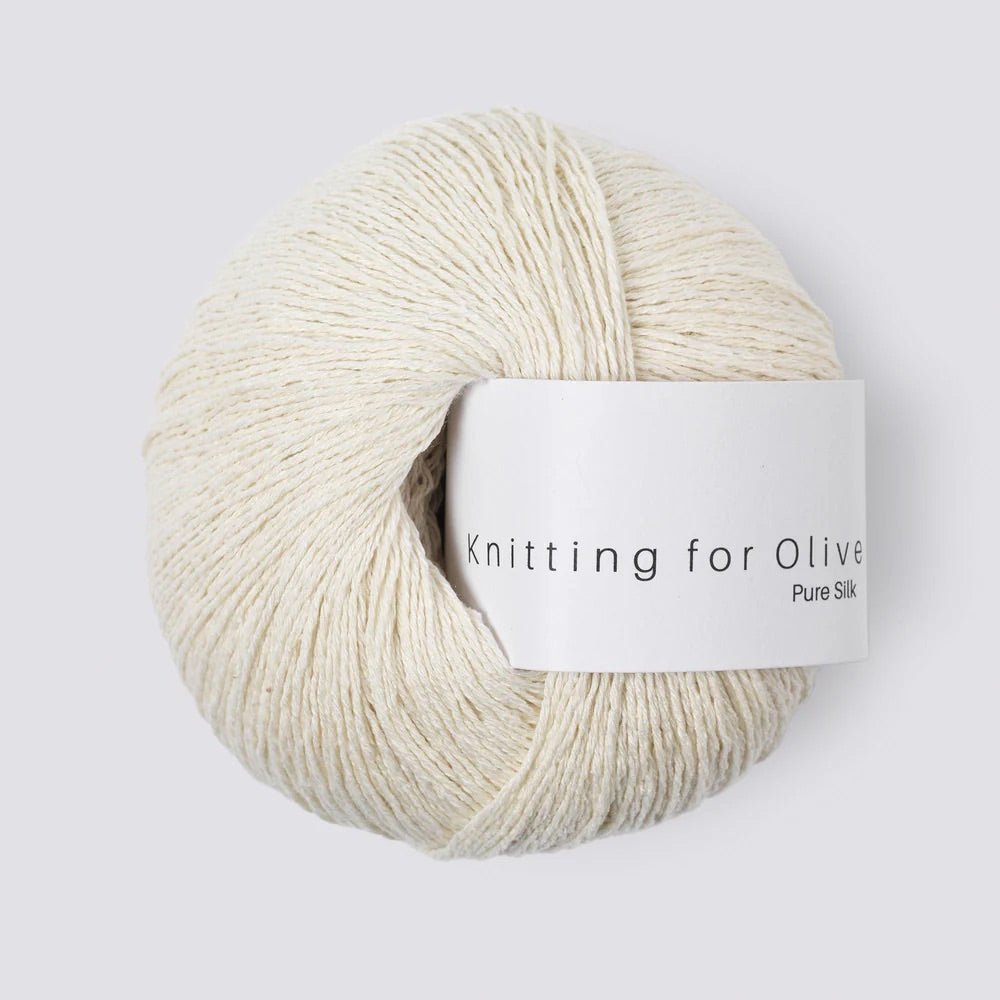
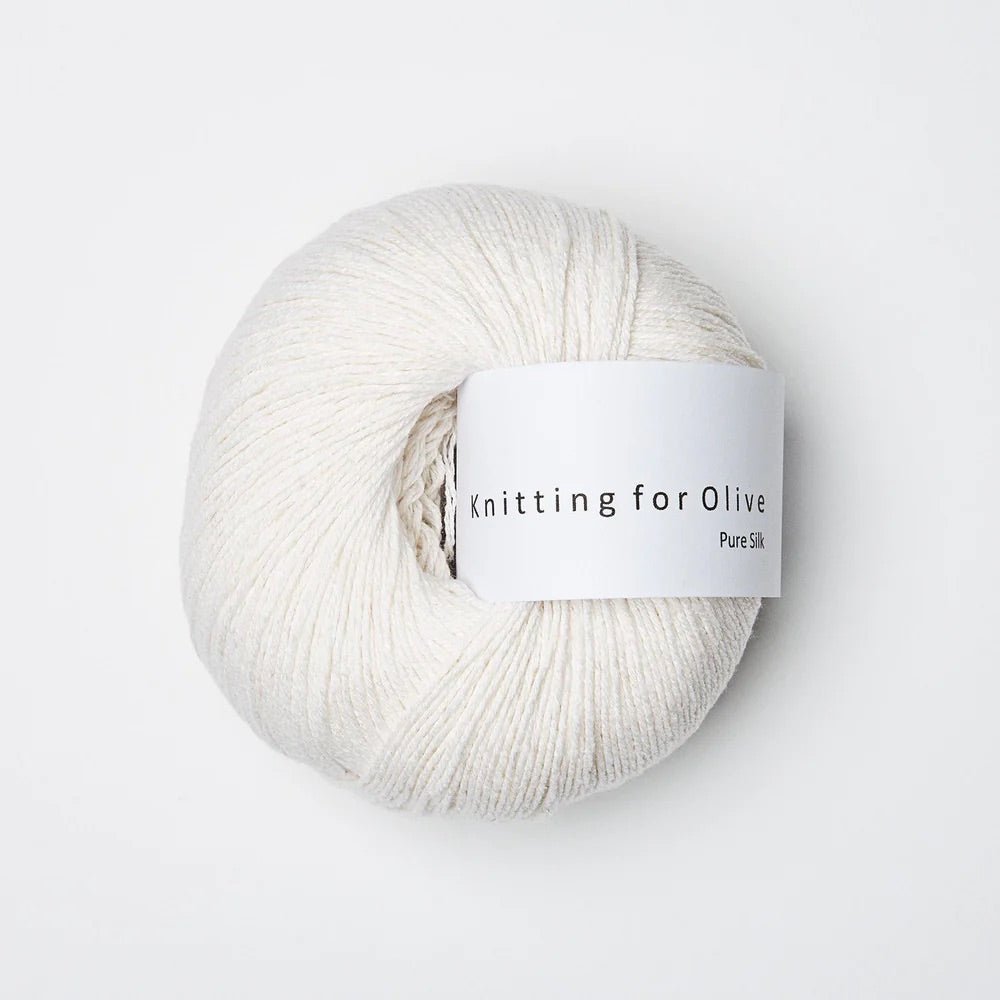
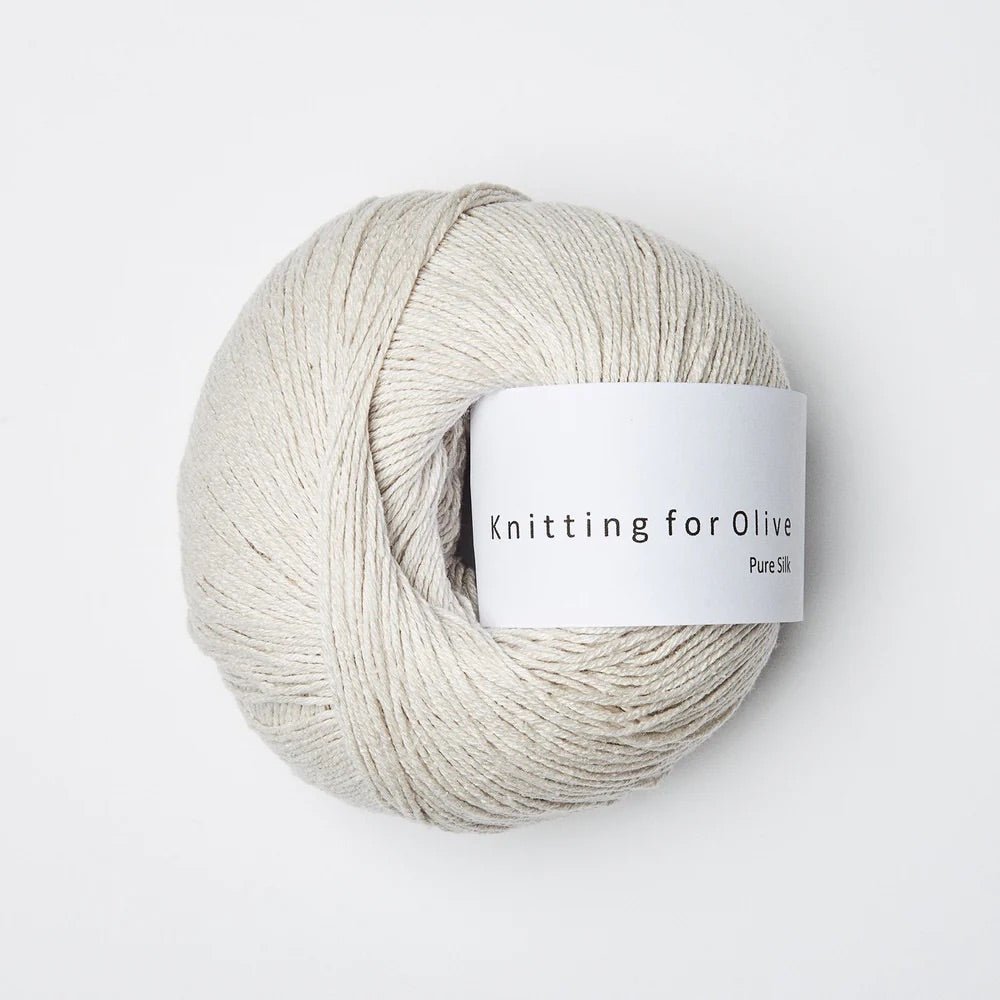
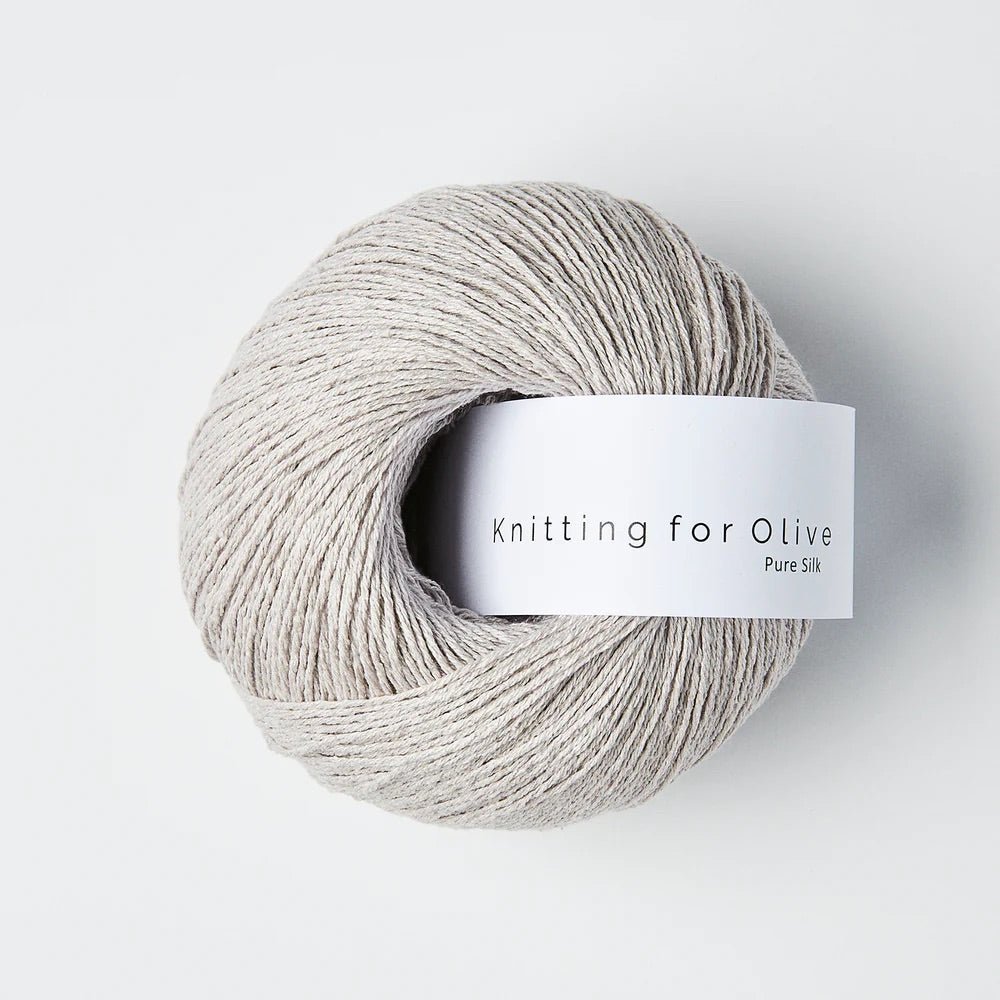
Knitting for Olive Pure Silk (Fingering, made from Bourette Silk) – silky, matte shimmering, with the unmistakable KFO color feel. More about it: What Is Bourette Silk? All About KFO Pure Silk.
Manos del Uruguay Fino (490m/100g, 70% Merino, 30% Silk) – hand-dyed in Uruguay, Fair Trade certified. Fingering yarn with sheen and history. More in the Manos del Uruguay Brand Guide.
Fyberspates Cumulus (365m/100g, 75% Merino, 20% Silk, 5% Nylon) – British hand-dyeing mill, luxury quality for socks and shawls. More in the Fyberspates Brand Guide.
Shipping from Munich, free within Germany from €100.